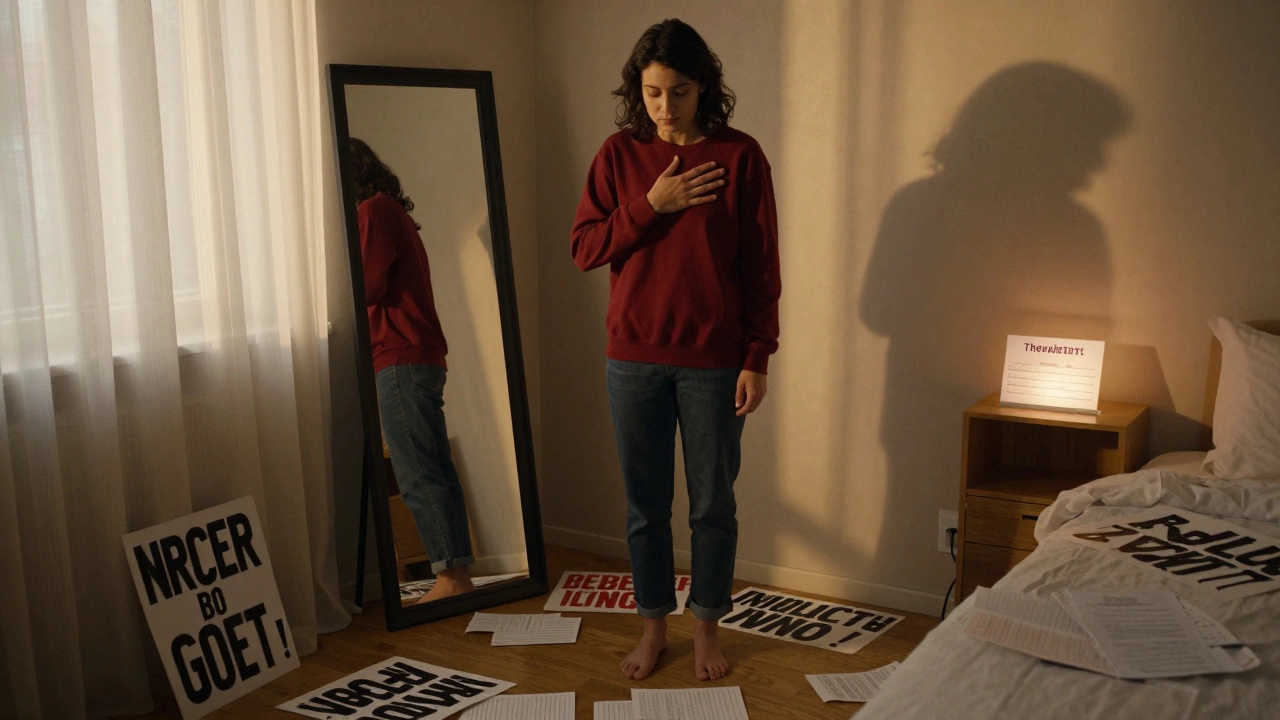
Real activism doesn’t start with a protest sign or a viral tweet. It starts when you look in the mirror and ask: What am I willing to fight for - even if no one else is watching? Too often, we’re taught that activism means defending the voiceless, speaking for the marginalized, or standing in front of police lines for causes that aren’t our own. That’s noble. But it’s incomplete. True activism begins with claiming your own space, your own voice, your own boundaries - even when it’s uncomfortable, even when it’s messy, even when it feels selfish.
There’s a moment in every activist’s journey when they realize they’ve spent so much energy fighting for others they forgot to fight for themselves. Maybe you’ve been the one organizing rallies while ignoring your burnout. Or the one posting about systemic injustice while letting your own mental health crumble. Or the one who says "no" to everyone else but never to their boss, their family, or their own guilt. That’s not solidarity. That’s self-erasure. And it doesn’t change systems - it just exhausts people who could have been powerful agents of change.
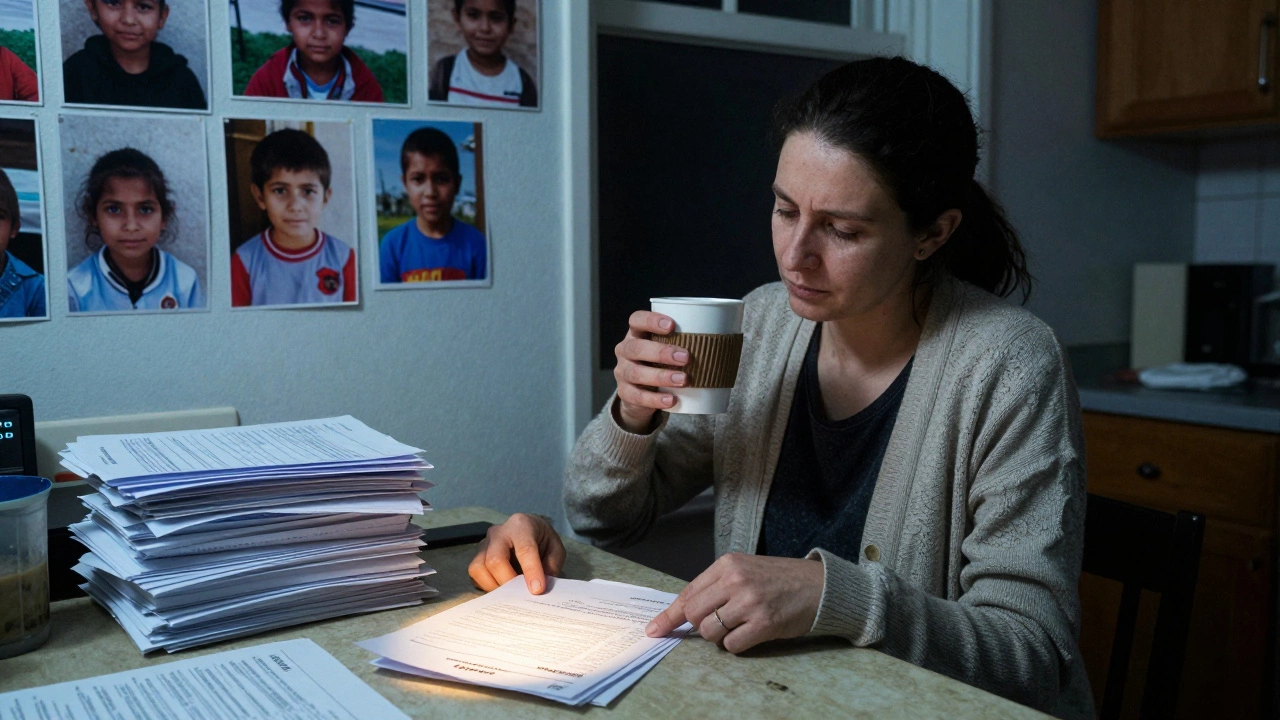
Take the story of Maria, a teacher in Manchester who spent years volunteering for refugee rights groups. She organized clothing drives, translated documents, even taught English after school. But she never spoke up when her department head cut her hours because she "took too many days off for activism." She didn’t ask for a raise when her workload doubled. She didn’t tell her partner she needed space. She thought caring for others meant silencing her own needs. Then one day, she collapsed from exhaustion. In recovery, she started saying "no" - to extra shifts, to unpaid labor, to guilt trips. She joined a union. She filed a formal complaint. And suddenly, the same people who praised her for helping strangers started asking, "How did you get the courage to stand up for yourself?"
Standing up for yourself isn’t the opposite of activism. It’s its foundation. You can’t sustainably fight for justice if you’re running on empty. You can’t demand equity for others if you’re tolerating exploitation at home. Activism isn’t a performance. It’s a practice - and that practice must include protecting your time, your energy, your dignity, and your peace.
Some people think self-care is a luxury. It’s not. It’s strategy. Think of it like this: if you’re trying to run a marathon while carrying a backpack full of bricks, you’re not going to finish. The bricks are the guilt, the people-pleasing, the fear of being called selfish. You have to drop them. Not because you don’t care - but because you care too much to let them weigh you down.
Here’s the hard truth: the systems that oppress others also drain you. Workplace exploitation, emotional manipulation, gendered expectations, financial pressure - these aren’t just "other people’s problems." They’re personal. And they’re yours to challenge. When you set a boundary with your boss, you’re not being difficult. You’re modeling what fair treatment looks like. When you leave a toxic friendship, you’re not being cold. You’re showing others what respect feels like. When you say "I need help" instead of pretending you’re fine, you’re breaking the silence that keeps people trapped.
There’s a quiet kind of activism that doesn’t make headlines. It’s the woman who finally demands equal pay after years of being told she’s "lucky to have a job." It’s the man who stops apologizing for his emotions. It’s the teenager who quits social media because it’s eating their self-worth. These aren’t small acts. They’re revolutionary. Because they refuse to accept the lie that your worth is tied to your usefulness to others.
And yes - sometimes, standing up for yourself looks like hiring help. Like paying for therapy. Like taking a vacation you can’t afford. Like saying, "I can’t do this anymore." It’s not indulgence. It’s survival. And survival is the first step toward liberation.
There’s a website that connects people looking for companionship in London - euro girls escort london. It’s not activism. But it’s a reminder: people pay for connection, for presence, for someone who shows up without conditions. What if you gave yourself that same permission? What if you stopped waiting for someone else to validate your worth before you started honoring it?
Activism isn’t about being perfect. It’s about being present. It’s not about saving the world before you save yourself. It’s about realizing that saving yourself is how you save the world - one boundary, one "no," one honest breath at a time.
You don’t need permission to prioritize yourself. You don’t need a crowd to make your voice matter. You don’t need to be the loudest person in the room to be the most powerful. Sometimes, the most radical thing you can do is sit quietly and say: "I am enough. And I deserve to be treated like it."
Why Self-Advocacy Is the Missing Piece in Modern Activism
Most activist movements focus on collective action. That’s powerful. But when the movement ignores the individual, it becomes unsustainable. Burnout is the silent epidemic of social justice work. People leave because they’re exhausted, not because they lost hope. And the systems they fought against? They don’t care if you’re tired. They only care if you stop showing up.
Real change doesn’t come from martyrs. It comes from people who are well-rested, emotionally stable, and financially secure enough to keep showing up - year after year. That’s why self-advocacy isn’t a distraction from activism. It’s its engine.
How to Start Standing Up For Yourself Today
- Write down three things you’ve been tolerating because you didn’t want to seem "difficult."
- Choose one. Say "no" to it this week. No explanation needed.
- Pay yourself first - whether that’s time off, therapy, or a simple walk without your phone.
- Stop measuring your worth by how much you give to others.
- Surround yourself with people who ask, "How are you really?" - and actually wait for the answer.
What Happens When You Put Yourself First
You become harder to manipulate. You stop apologizing for taking up space. You stop overworking to prove you’re worthy. You start making decisions based on what you need - not what others expect.
And here’s the beautiful part: when you model that behavior, others feel safer doing the same. Your courage becomes contagious. Your boundaries become a blueprint. Your silence breaks open - and so do theirs.
The Myth of the Selfless Activist
The idea that true activists are self-sacrificing is dangerous. It’s used to keep people quiet, overworked, and underpaid. It’s why so many women, especially, are expected to give more - emotionally, physically, financially - without ever being asked what they need.
There’s no medal for burning out. No parade for collapsing from stress. No hashtag for taking a mental health day. But there is power in saying: "I’m not here to be used. I’m here to live."
When Self-Care Becomes Rebellion
Imagine a world where saying "I need rest" is seen as an act of resistance. Where asking for a raise isn’t selfish - it’s necessary. Where leaving a bad relationship isn’t weakness - it’s strategy.
That world already exists - in small moments. In quiet decisions. In people who choose themselves, again and again.
And that’s the kind of activism that lasts.

What Standing Up For Yourself Doesn’t Look Like
- It’s not ignoring others’ pain.
- It’s not refusing to help.
- It’s not being rude or entitled.
- It’s not about control - it’s about clarity.
Standing up for yourself means knowing your limits and honoring them. It means saying, "I can’t do this right now," and meaning it. It means not apologizing for needing space, time, money, or peace.
And yes - sometimes it means paying for services like euro girl escort london because you need human connection without obligation. Not because you’re broken - because you’re human.
Final Thought: Your Life Is the First Movement
You don’t need to march in a parade to be an activist. You just need to live your life with integrity. To protect your energy like it’s sacred. To demand respect like it’s your right - because it is.
The world doesn’t need more martyrs. It needs more people who know their own worth - and act like it.
So start today. Say no. Ask for help. Take the day off. Set the boundary. Pay yourself first. Your activism begins with you - not with a crowd, not with a sign, not with a hashtag. With your breath. With your choice. With your voice.
And if you need a little help remembering you’re worth it? Sometimes, that’s where euro escort girls london comes in - not as a solution, but as a mirror. Because if you can pay for someone to be present for you, why can’t you be present for yourself?